We have been working since 2008
and provide high-quality services
5
Rating based on
reviews from our
customers
Daily from 8:00 to 20:00
We have been working since 2008
and provide high-quality services
5
Rating based on
reviews from our
customers
Daily from 8:00 to 20:00
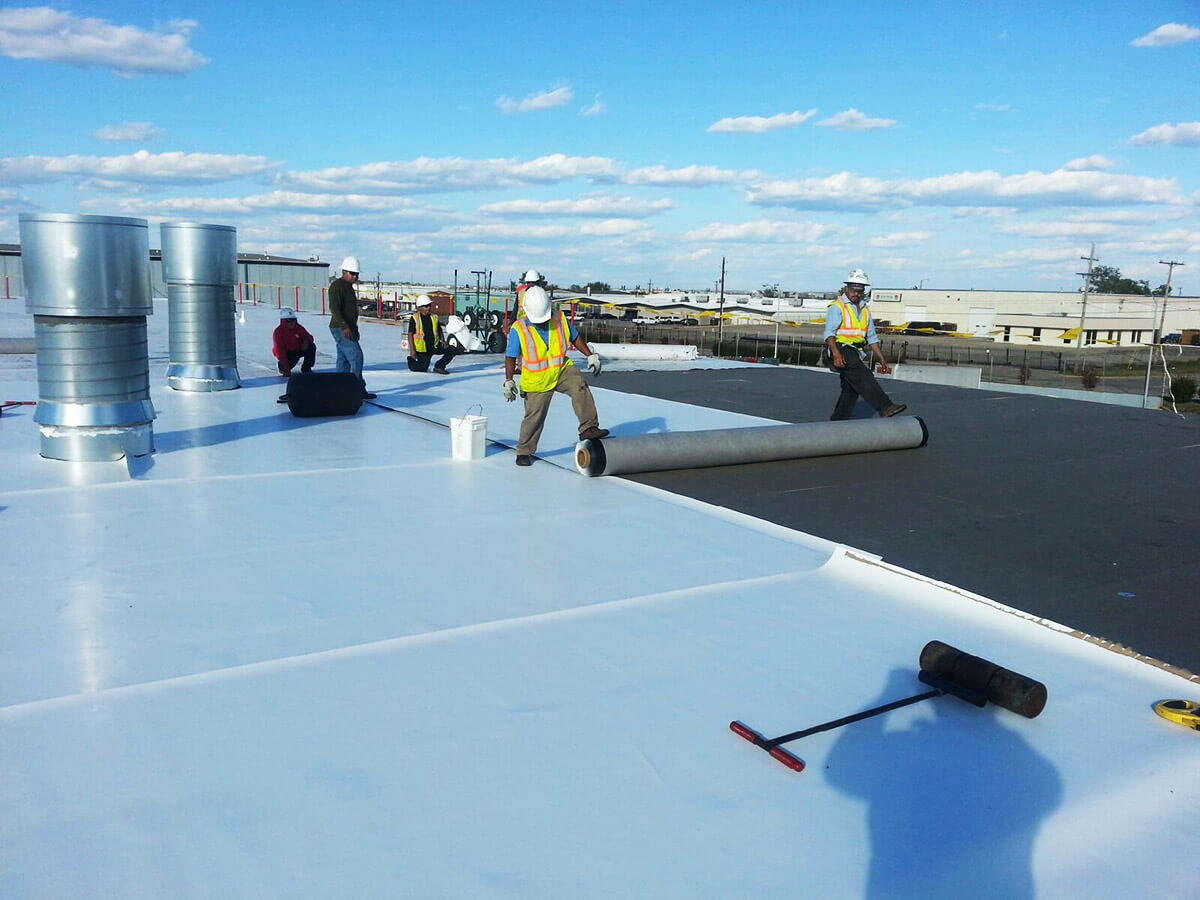
Polyvinyl chloride is a waterproofing material from which the membrane for exploited roofing is made. It is supplied in the form of a special film, providing a wide range of use. Roofing membranes create high-quality protection against leaks, used in construction for buildings, swimming pools, roofs, foundations, etc. The duration and quality of operation of the facility depends on how professional the PVC installation is.
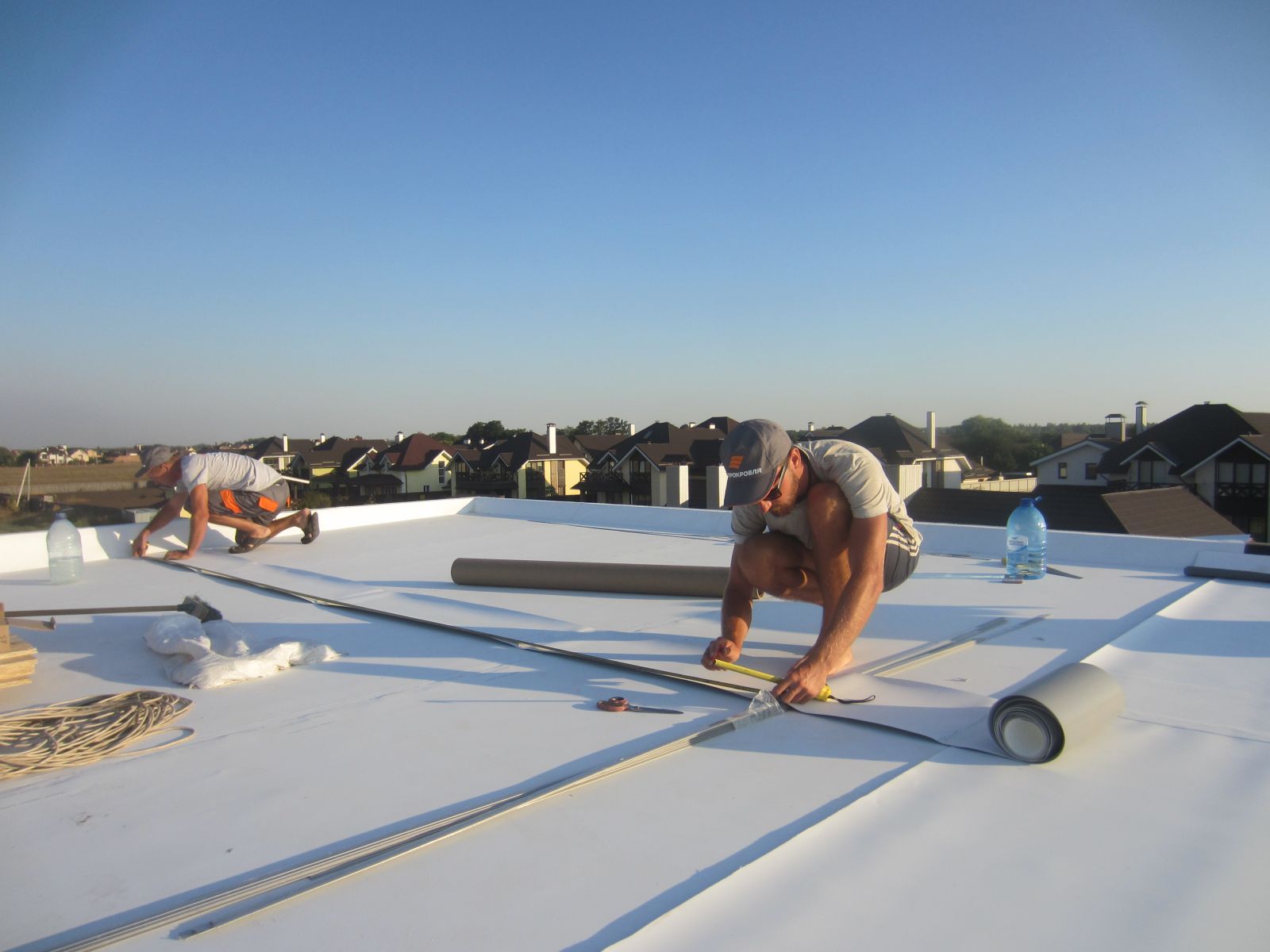
Technological features of installation works include the following stages of laying PVC covering:
The surface where the membrane roof will be laid must be thoroughly cleaned of debris, dust, traces of oil, old coating and other contaminants. Next, the base should be leveled - it should be without recesses, differences and other defects. In this case, it may be necessary to renew the screed or grind it. Also pay attention to the dryness of the base. The humidity indicator in this situation is no more than 5%.
This stage is important to ensure comfortable operation of a residential or office building. Steam and heat insulation under the membrane is carried out using special materials provided by the technology. It is important to pay attention to the manufacturer's recommendations for installation.
This stage is organized as needed - if during installation of roll roofing, the PVC membrane is laid directly on bitumen, polystyrene foam or other chemically incompatible materials. Geotextile is mainly used as such a separating layer.
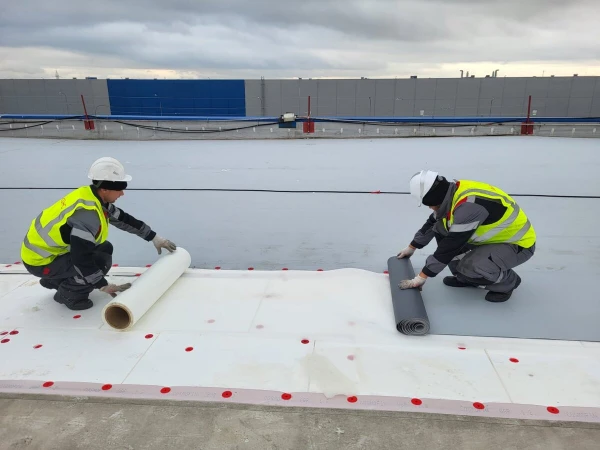
The material is unrolled from a roll, creating a roof made of PVC membrane in accordance with the layout plan. In this case, the sheet is laid with an overlap of 80-150 mm. The laying is carried out evenly, without tension, preventing temperature deformations.
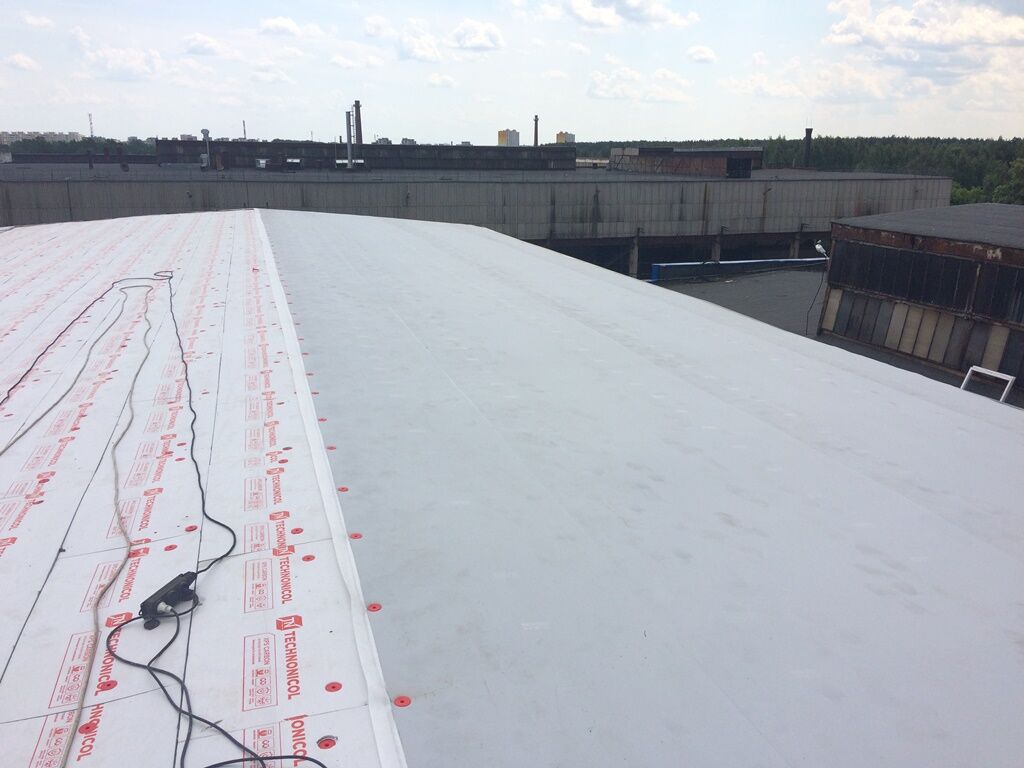
The material sheets are fixed using several methods:
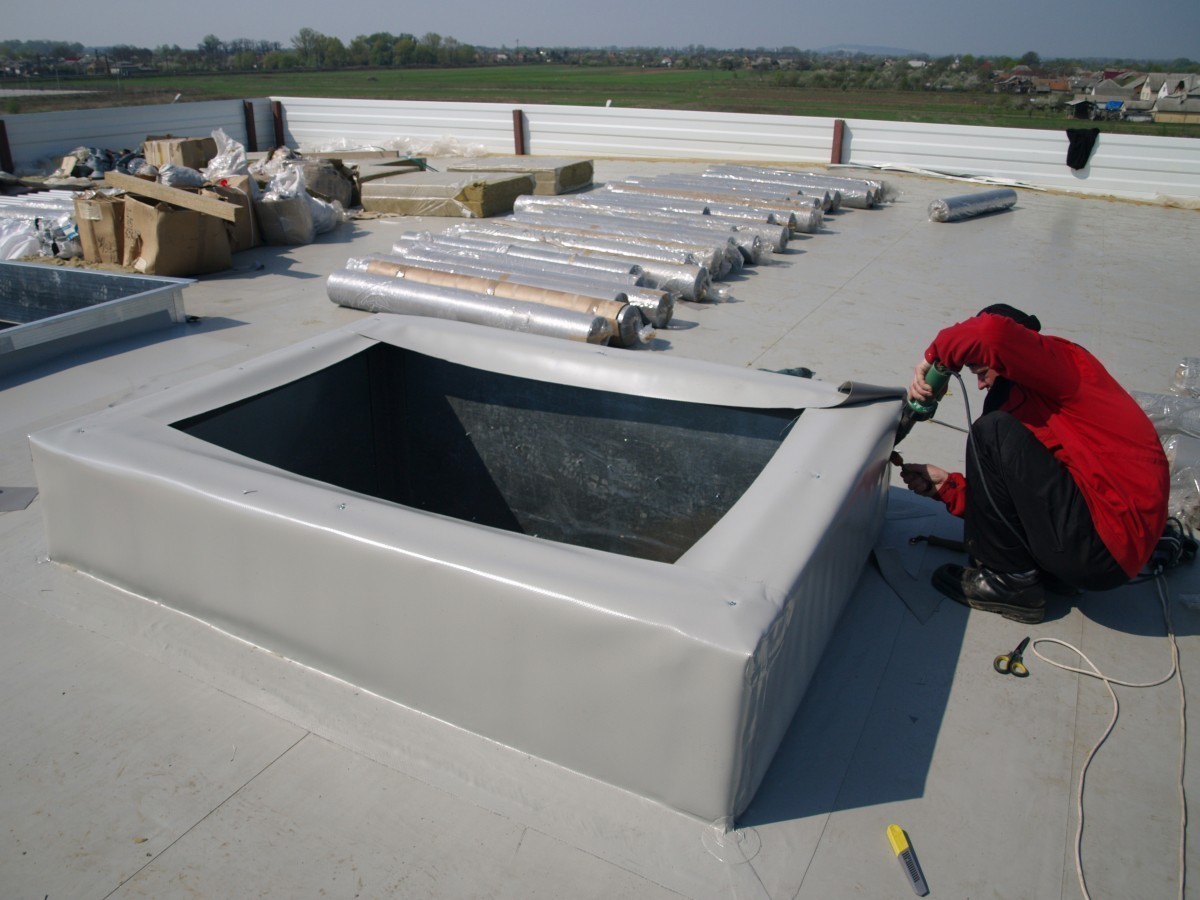
Another important point in working with a PVC membrane is the sealing of seams. In this case, the membrane is welded with hot air using special equipment. These can be automatic welding machines - they are often used on long straight seams. Short seams, corners, abutments and work in hard-to-reach places is performed using construction hand-held hair dryers. The width of the weld seam in this case ranges from 20 to 40 mm.
The popularity of this building material is explained by its basic characteristics:
It is also necessary to note the decent aesthetics - products of this type are supplied in different colors.
The key to an effective result will be compliance with the installation technology, the use of high-quality materials, and high-quality work. All this is guaranteed to the customer by the construction company "Alba", offering a turnkey installation service. Turning to our specialists, you can be sure of their conscientious attitude to their business.