We have been working since 2008
and provide high-quality services
5
Rating based on
reviews from our
customers
Daily from 8:00 to 20:00
We have been working since 2008
and provide high-quality services
5
Rating based on
reviews from our
customers
Daily from 8:00 to 20:00
02 June 2025
When building a house, the issue of roof insulation should be resolved immediately. Correctly performed work increases the level of heat in the house by 30%, prevents dampness and mold from forming on the walls. The rafter structure is also preserved intact, which increases the service life of the entire structure. The roof can also be insulated during major repairs.
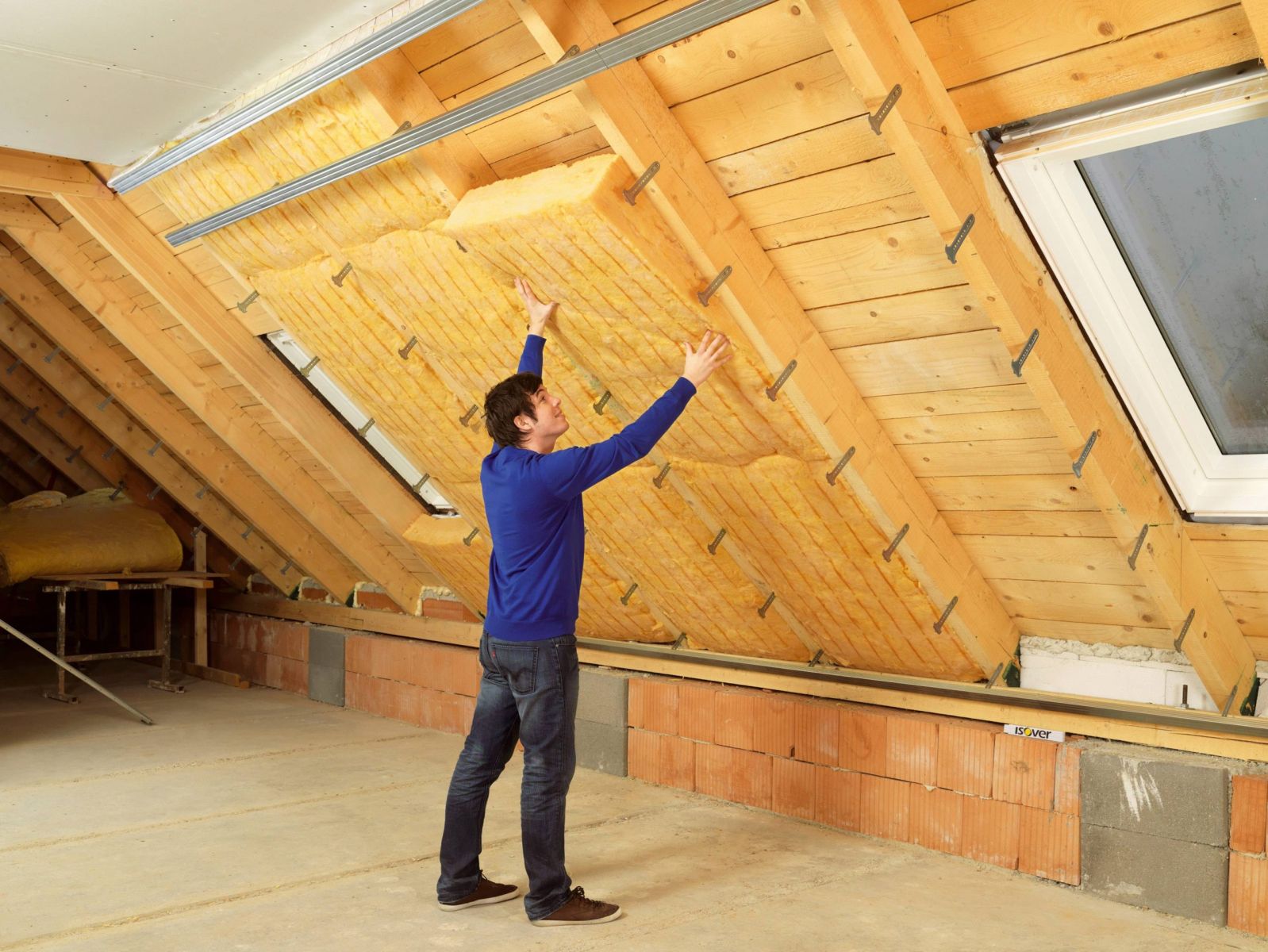
This type of work involves installing an insulating layer both from the inside and from the outside. The first option has proven itself best in the case of a pitched roof structure. The process itself is as follows:
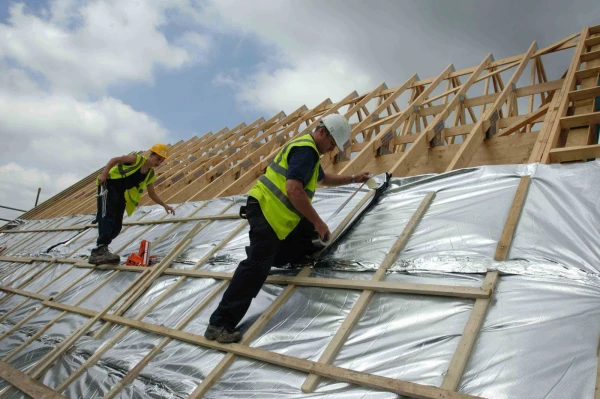
External insulation is carried out in different ways, taking into account the purpose of the roof. The used roof format involves pouring a cement screed over the surface of the insulation. In this case, it is necessarily reinforced with a metal mesh. After that, bitumen mastic was applied and a geotextile protective layer was attached.
An unused type of roof requires preliminary cleaning of the treated surface from dirt. It also needs to be leveled, eliminating all bulges and recesses. Then a layer of vapor barrier and insulation is laid. Particular attention should be paid to joints near windows, corners, pipes, bends.
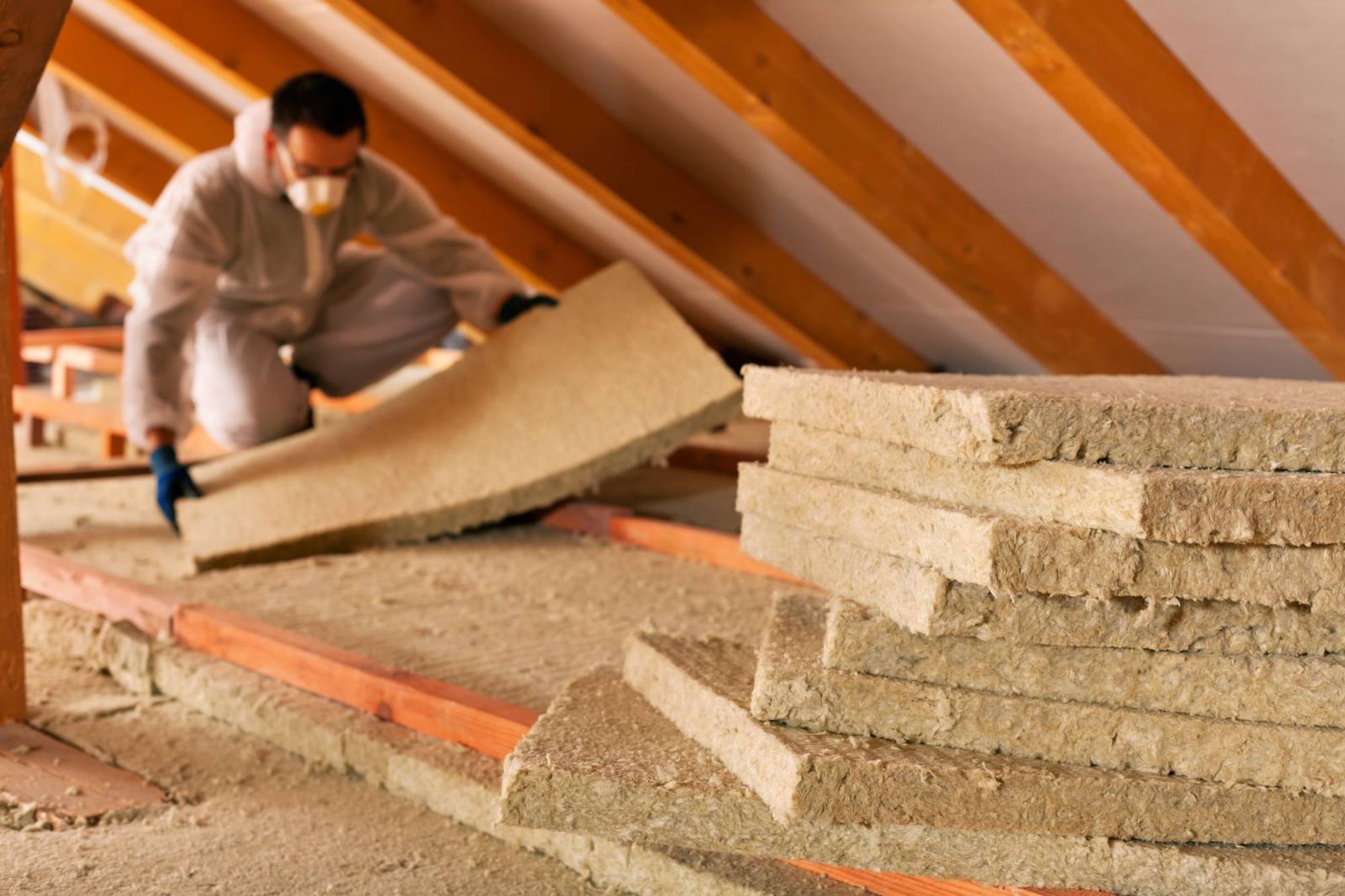
Today, experts use many types of roof insulation. The choice of the best option is determined by several important factors. These include strength and thermal conductivity, the ability to protect against moisture, exposure to low temperatures and ultraviolet radiation, and the ability to remain in a stable shape for a long time. Good sound insulation and environmental friendliness are also included in the list of required characteristics. Most often, the following are used for roof insulation:
Other materials available to users also include ecowool, foamed glass, sawdust. Working with them requires special technologies, detailed in the manufacturer's recommendations.